
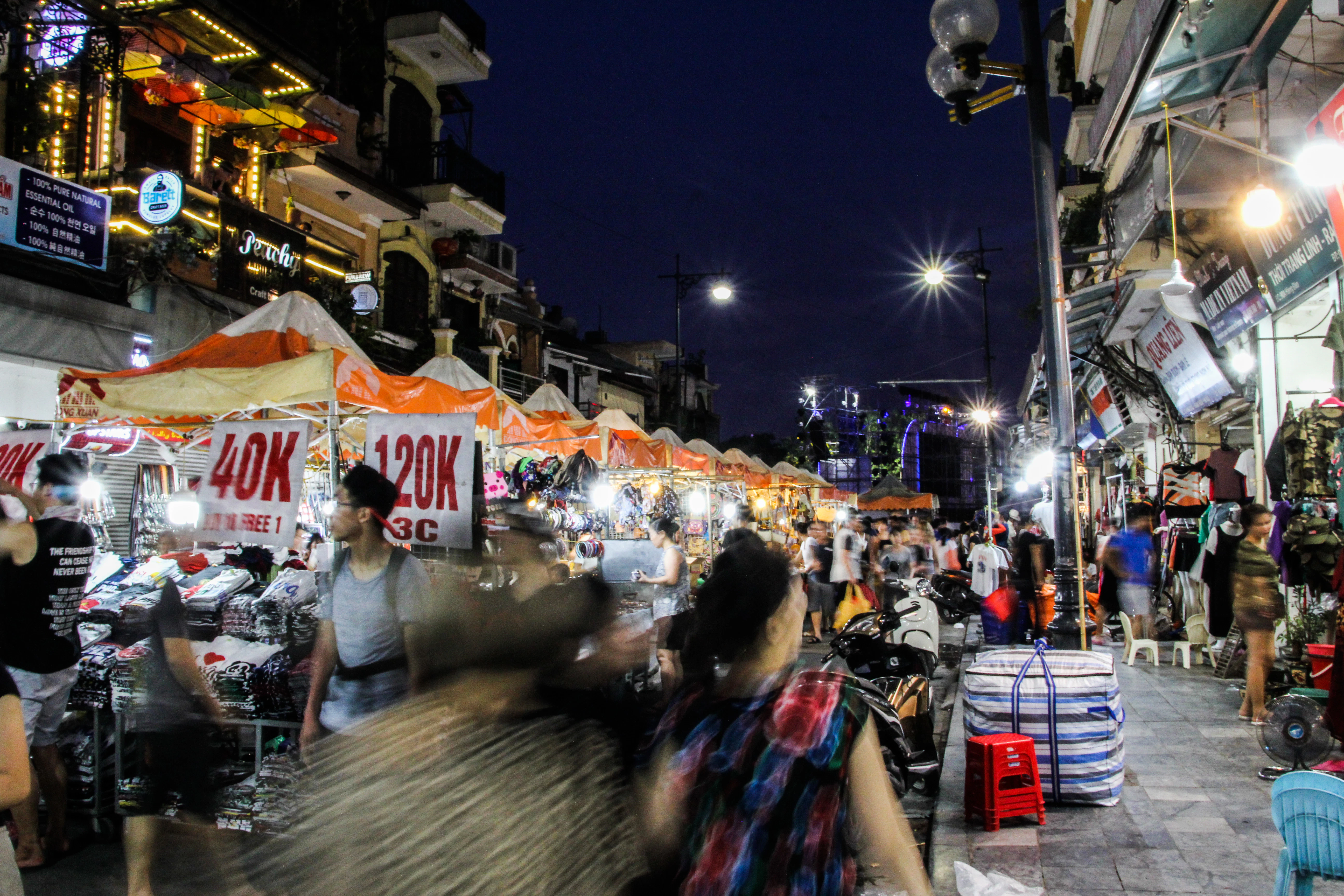
Vietnam, Cost of Living
Cost of Living in Vietnam: 2026 Expat Guide
10 April 2026
The Big Picture
Vietnam has earned a well-deserved reputation as one of Southeast Asia's most affordable countries to live in — but what does that actually look like in numbers? Whether you're planning a short stint in Da Nang or a long-term move to Hanoi, this guide breaks down what you'll realistically spend each month.
A single expat living comfortably in a major Vietnamese city can expect to spend between ₫15,000,000 and ₫25,000,000 per month (roughly £450–£750), covering rent, food, transport, utilities and leisure. That's a fraction of what the same lifestyle would cost in the UK, Australia or most of Western Europe.
Living outside Hanoi and Ho Chi Minh City — in places like Da Nang, Hoi An, Nha Trang or Vung Tau — brings that figure down further, with many expats living very well on ₫12,000,000–₫18,000,000 a month.
Rent
Rent is by far your biggest expense, and it varies enormously depending on city, neighbourhood, and property type.
Hanoi and Ho Chi Minh City
- Studio or 1-bed local apartment: ₫5,000,000–₫9,000,000/month
- 1–2 bed modern furnished apartment: ₫10,000,000–₫20,000,000/month
- Expat-spec apartment (serviced, central): ₫20,000,000–₫40,000,000/month
Da Nang, Hoi An, Nha Trang
- 1-bed furnished apartment: ₫4,000,000–₫10,000,000/month
- 2-bed near the beach: ₫8,000,000–₫15,000,000/month
Tips for renting in Vietnam
- Always negotiate. Landlords expect it, especially for leases of 6 months or longer.
- Prices in popular expat neighbourhoods (Tay Ho in Hanoi, Thao Dien in HCMC) carry a premium of 20–40% over equivalent properties nearby.
- Check what's included. Many apartments charge electricity and water separately, which can add ₫1,000,000–₫3,000,000 to your monthly bill.
- Always photograph the meter readings when you move in.
Electricity and Water
Electricity is charged by the government-regulated EVN tiered pricing system. The average retail rate in 2025 is around ₫2,200 per kWh, though in serviced apartments landlords sometimes charge a flat rate of ₫3,500–₫4,000 per kWh.
Air conditioning is the main cost driver. Running AC heavily in the hot season (April to August) can push your monthly electricity bill to ₫1,500,000–₫3,000,000. In cooler months or with moderate use, expect ₫500,000–₫1,000,000.
Water is very cheap — typically ₫100,000–₫200,000 per month for a single person. Most tap water in cities is treated but not considered safe to drink directly; a filtered water cooler or bottled water adds roughly ₫100,000–₫200,000 per month.
Internet and Mobile
Vietnam has excellent and affordable internet. Fibre broadband from Viettel, VNPT or FPT costs ₫200,000–₫400,000 per month for speeds of 100–300 Mbps. Installation is typically free.
Mobile data is similarly cheap. A local SIM with unlimited data costs around ₫100,000–₫200,000 per month. Viettel has the best coverage nationwide; Vinaphone and Mobifone are strong in cities.
Food
This is where Vietnam really shines. Eating like a local is not just cheap — it's genuinely one of the great pleasures of living here.
Street food and local eateries (quán)
- Bowl of pho or bun cha: ₫30,000–₫60,000
- Banh mi: ₫15,000–₫30,000
- Full local lunch: ₫40,000–₫80,000
- Egg coffee or Vietnamese iced coffee: ₫25,000–₫45,000
Mid-range restaurants
- Meal for one: ₫100,000–₫250,000
- Meal with drinks: ₫200,000–₫400,000
Western and imported food costs close to Western prices. Most expats budget ₫3,000,000–₫7,000,000 per month on food depending on how often they eat out and how much imported food they buy.
Food tips
- Shop at local wet markets for the freshest produce at the lowest prices.
- Big supermarkets like Winmart, Co.opmart and Lotte Mart stock both local and imported goods.
- Apps like ShopeeFood and Grab Food deliver almost anything, often with discount codes.
Transport
Getting around Vietnam is cheap and easy.
- Grab (ride-hailing): ₫20,000–₫60,000 for most city journeys
- Motorbike taxi (xe om): slightly cheaper than Grab, negotiate beforehand
- Monthly motorbike rental: ₫800,000–₫1,500,000
- Buying a second-hand motorbike: ₫5,000,000–₫15,000,000 — often the best value for stays of 6 months or more
- Taxi: ₫50,000–₫150,000 for typical city journeys
- Bus: ₫7,000–₫10,000 per journey in most cities
Most expats spend ₫500,000–₫1,500,000 per month on transport.
Healthcare
Vietnam has both public and private healthcare. Public hospitals are cheap but can be crowded and language barriers are common. Private hospitals and international clinics are far more accessible for expats.
- GP consultation at a private clinic: ₫300,000–₫700,000
- International hospital consultation: ₫700,000–₫2,000,000
- Dental cleaning: ₫200,000–₫500,000
- Health insurance for expats: ₫3,000,000–₫8,000,000/month depending on cover
It's strongly recommended to have international health insurance or at minimum a comprehensive travel insurance policy that covers medical evacuation.
Leisure and Lifestyle
- Gym membership: ₫300,000–₫800,000/month
- Cinema ticket: ₫80,000–₫150,000
- Massage (60 min): ₫150,000–₫350,000
- Beer at a local bia hoi: ₫10,000–₫20,000
- Cocktail at a rooftop bar: ₫150,000–₫300,000
- Weekend trip to a nearby town: ₫1,000,000–₫3,000,000
Monthly Budget Summary
| Category | Budget expat | Comfortable expat |
|---|---|---|
| Rent (1-bed apartment) | ₫6,000,000 | ₫15,000,000 |
| Electricity and water | ₫700,000 | ₫1,500,000 |
| Internet and mobile | ₫300,000 | ₫400,000 |
| Food | ₫3,000,000 | ₫6,000,000 |
| Transport | ₫500,000 | ₫1,200,000 |
| Leisure | ₫1,000,000 | ₫3,000,000 |
| Total | ~₫11,500,000 | ~₫27,000,000 |
Key Money-Saving Tips
Negotiate your lease. Landlords in Vietnam expect negotiation. A 12-month commitment typically gets you 10–20% off the listed price.
Live one neighbourhood back from the expat hubs. Tay Ho and Thao Dien are great but you pay a premium. Moving one district away can halve your rent for a comparable property.
Eat local, eat often. The gap between eating at local restaurants and Western ones is enormous — both in cost and in experience. A month of eating entirely at local quán can cost less than ₫2,000,000.
Get a local SIM immediately. Don't rely on your home country's roaming plans. A Vietnamese SIM is cheap, fast, and works everywhere.
Mind the AC. Air conditioning is the single biggest variable in your electricity bill. Using it selectively — overnight and during peak heat — rather than running it all day makes a big difference.
Use Grab for everything. Grab operates as a ride service, food delivery and even grocery delivery. Regular users get loyalty discounts that add up over a month.
Join local expat groups. Facebook groups for expats in Hanoi, HCMC and Da Nang are invaluable for recommendations on apartments, services, healthcare, and local deals.
Conclusion
Vietnam offers an exceptional quality of life at a cost that allows most expats to save money, travel frequently, and live more comfortably than they would at home. The key is embracing local life — eating at local restaurants, renting in non-tourist neighbourhoods, and using local transport.
Whether you're a digital nomad looking for a base, a retiree stretching your pension, or a professional on a local salary, Vietnam remains one of the most rewarding places to live in Southeast Asia.
🏙️ City-by-City Cost Comparison (2026)
Costs vary significantly between cities. Here's how the three main expat destinations compare:
| Category | Hanoi | Ho Chi Minh City | Da Nang |
|---|---|---|---|
| Studio rent | ₫6–10M | ₫8–14M | ₫4–8M |
| 1-bed apartment | ₫10–18M | ₫12–22M | ₫6–12M |
| Street food meal | ₫25–50K | ₫30–60K | ₫20–40K |
| Comfortable monthly budget | $800–1,200 | $1,000–1,500 | $600–900 |
Browse listings by city: Hanoi · Ho Chi Minh City · Da Nang
💻 Digital Nomad Budget
If you're working remotely, add these to your monthly estimate:
- Co-working space: ₫1.5–4M/month (day passes also available at ₫100–200K)
- SIM with data: ₫200–350K/month for unlimited 4G — most apartments already include fibre broadband
- Total comfortable nomad budget: $900–1,400/month depending on city and lifestyle
💡 How to Save on Rent
- Sign a 12-month lease: Landlords typically discount 10–15% versus monthly rolling contracts.
- Avoid tourist-premium districts: Old Quarter (Hanoi) and District 1 (HCMC) add 30–50% to rent for the same size apartment elsewhere.
- Consider unfurnished: If you're staying 12+ months, unfurnished apartments run 20–30% cheaper. Worth buying a few basics.
- Negotiate: Landlords expect it. Slower months (Feb–Mar, Aug–Sep) give you the most leverage.
Looking for a rental in Vietnam? Browse verified listings across Hanoi, Ho Chi Minh City, Da Nang and beyond on VNRentals.